
This unified culture collapses in the Gbaji Wars at the end of the First Age. War and poverty. A collapse, which in turn leads to reduction in complexity in artwork. A Dark Age from about 450 to 600 or so.
In Dragon Pass, you end up with a vibrant civilization around 700. But they don’t have the dwarfs around to help them. And a lot more trollish influences.
Sculpture became less “realistic” and powerfully primitive. Basic shapes, essentially. But done with lots of wealth.
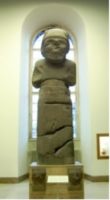
This is people working off copies of copies, without the skills to do it.
Around 800 things change. The Dragon Pass kingdom gets extremely wealthy and obsessed with esoteric symbolism. And is in contact with the Middle Sea Empire. Things get sensuous and baroque. This is the formation of what we call the Esrolian style.


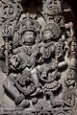
This is people working off copies of copies, without the skills to do it.
Around 800 things change. The Dragon Pass kingdom gets extremely wealthy and obsessed with esoteric symbolism. And is in contact with the Middle Sea Empire. Things get sensuous and baroque. This is the formation of what we call the Esrolian style.
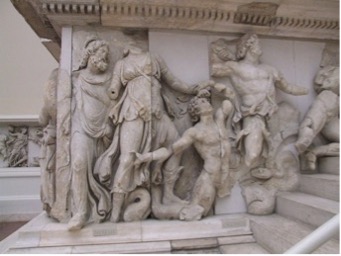
Whereas the Middle Sea Empire is more Hellenistic baroque. Very idealized baroque work.

Where the EWF is going for Indian baroque, the Carmanian and Dara Happans are going for something more austere and idealized. More stylized and austere styles in the north, more “naturalistic” and descriptive art in the south. To put it roughly, the Pelorians evoke ideas, the Theyalans depict things.
Carmania establishes a much less baroque and more austere idealized style in Peloria. Which, in turn, echoes the divide that existed before the First Age too.
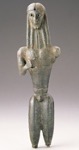
We are of course talking about the richer temples and rulers. Smaller temples are left behind. Villages shrines still do stuff like this:
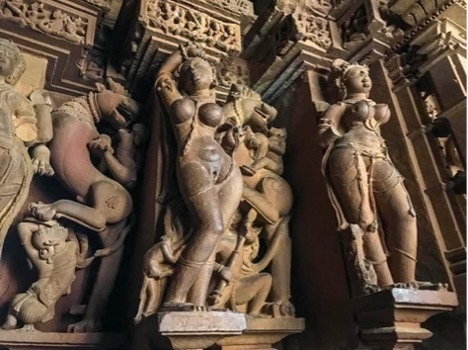
The Middle Sea Empire influences Esrolia – you get rich temples hiring crafters from across the Middle Sea Empire for technique skill. Esrolia is super cosmopolitan, and its artists might throw in weird references from Kralorela or Fonrit or Seshnela or whatever. So in Esrolia, you basically establish super-baroque. Great technique, lush symbolism, but very naturalistic and sensuous.
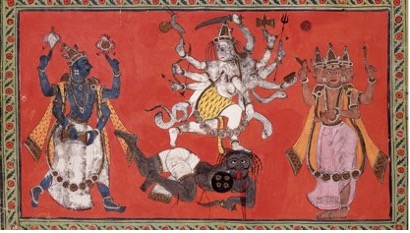
In Dragon Pass and South Peloria, it is as baroque, but less sensuous and more abstract and symbolic. Here the influence of the dragons is the greatest.
And in Peloria, it is more austere, idealised, and formal. Also they have the Gods Wall to go back on.
Examples: These are all Ernalda.
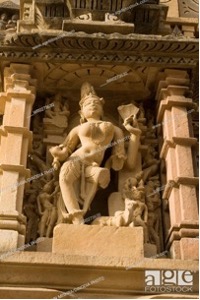
In Esrolia, she is depicted as this lush and sensual dancing woman, surrounded by a dazzling array of flowers, grains, husband protectors, worshipers, lesser goddesses. She overwhelms with splendor to the point where your senses can’t even take it all in.
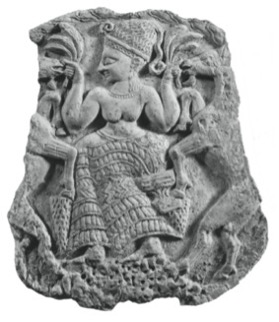
In Peloria, she is very formal and strict. She looks much like the other goddesses, just more so. Or maybe she is naked and the others are clothed.
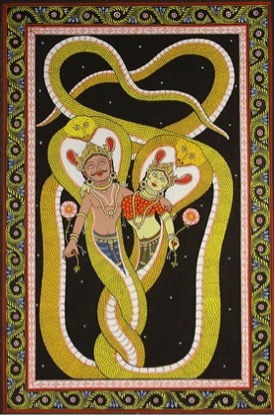
In Dragon Pass, she is looser than Peloria, dancing like she is in Esrolian artwork. There are still goddesses, husbands and flowers around her, but there is also other stuff. Strange runes, which almost look like hers, but aren’t. The snakes around her look…odd, and not quite right. And some of the flowers do not look entirely real.
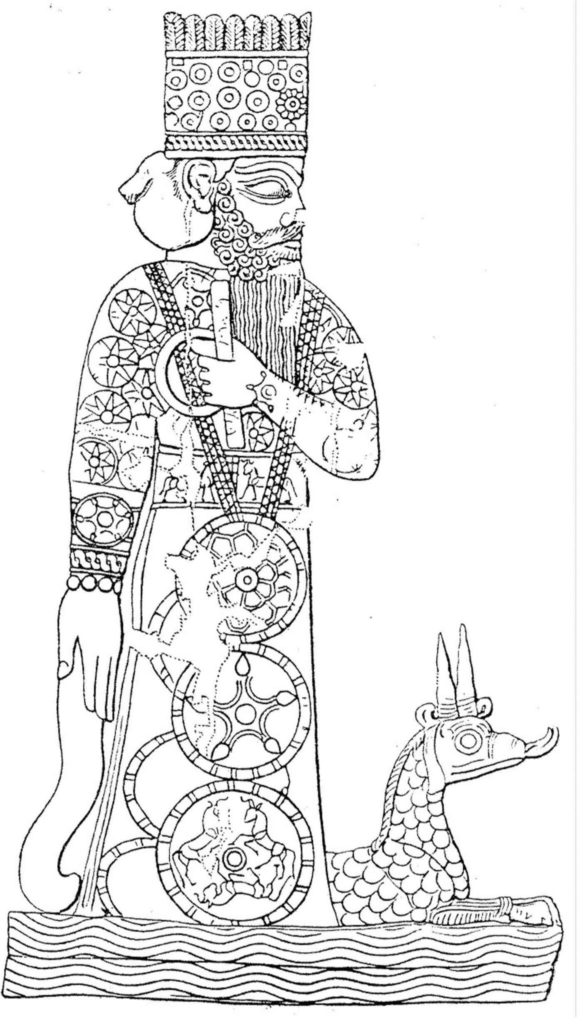
During the period from 878 to 910 that the EWF rules Dara Happa, elements of this style gets imposed along with traditional formalism.
Then the seas Close. Esrolia is cut off from the Middle Sea Empire, and its art loses some of its technical brilliance, and gets even more baroque and less understandable.Meanwhile in Peloria, the Carmanians react against the most obviously EWF stuff, but they are conquering and expanding, so they are hiring artists trained by the EWF but being told Be More Formal!